
 English
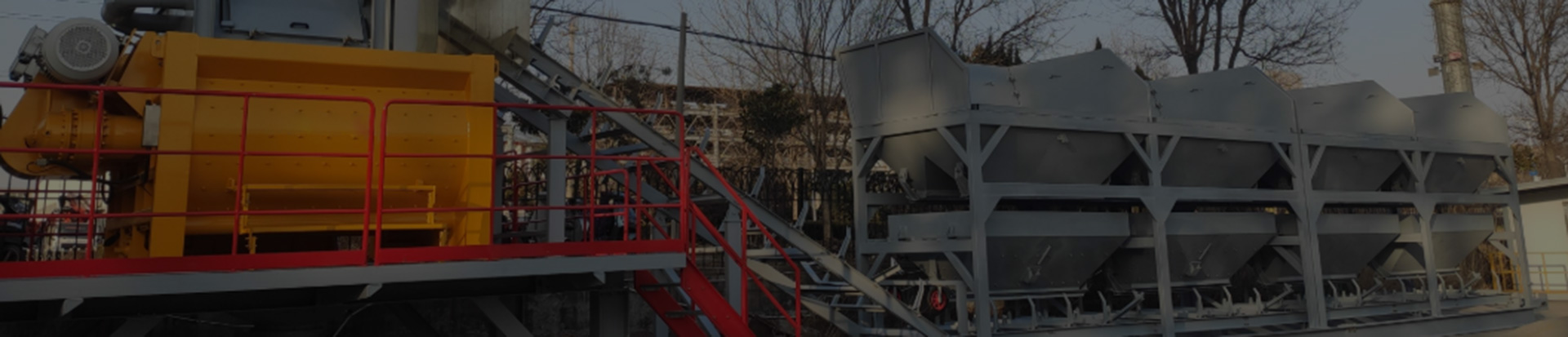
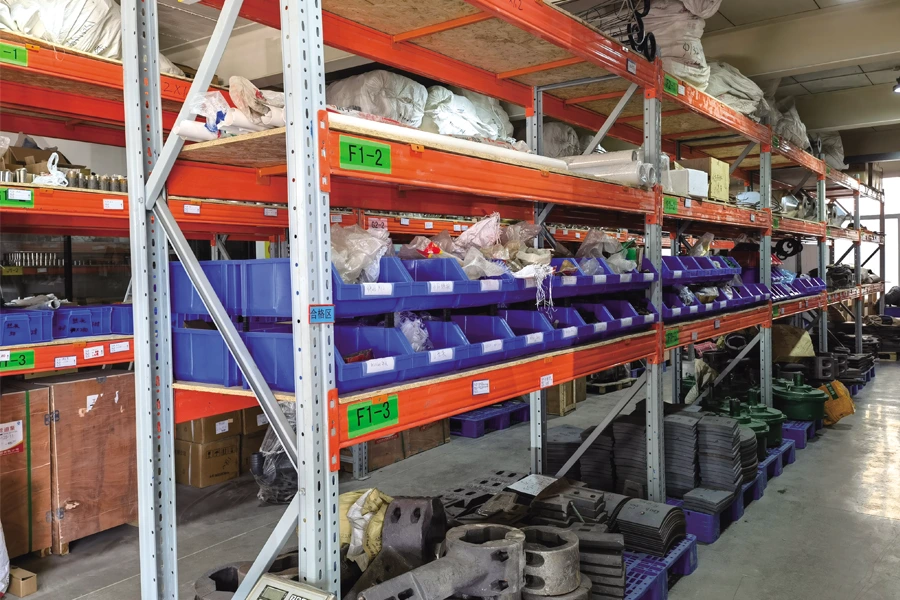
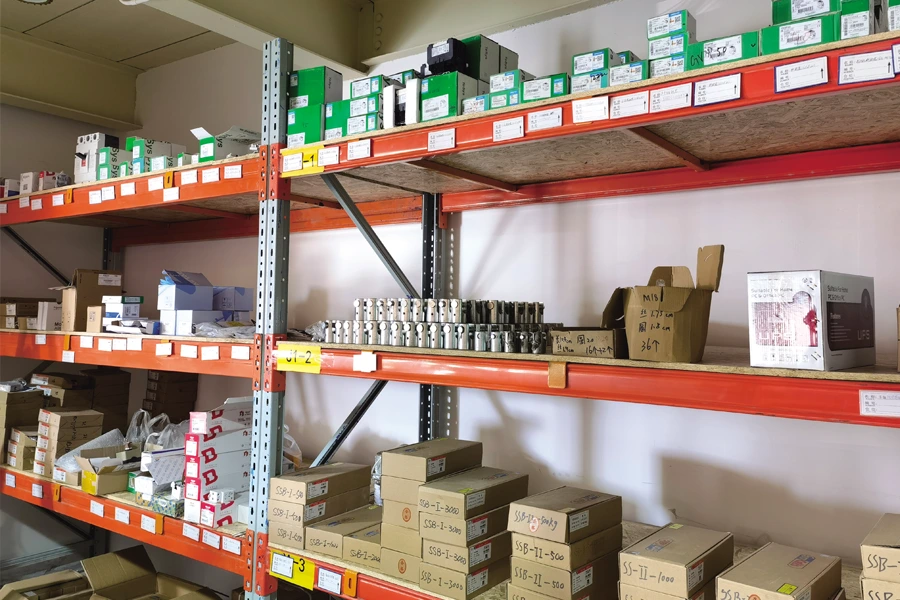
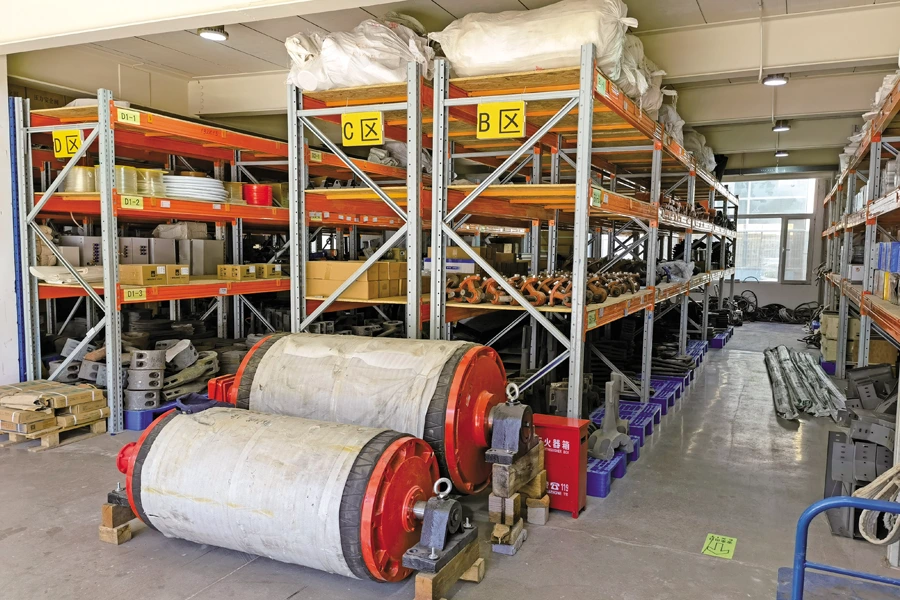
Genuine Spare Parts & Components
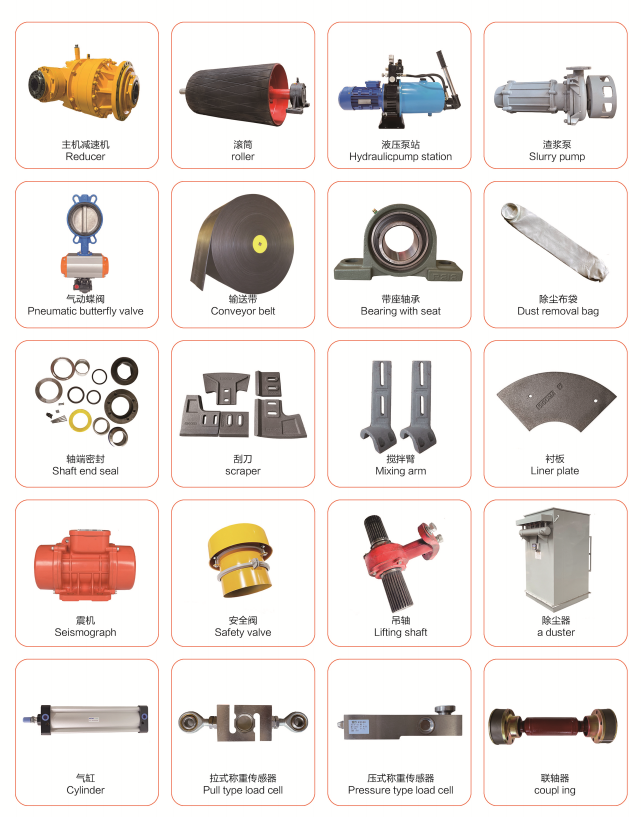
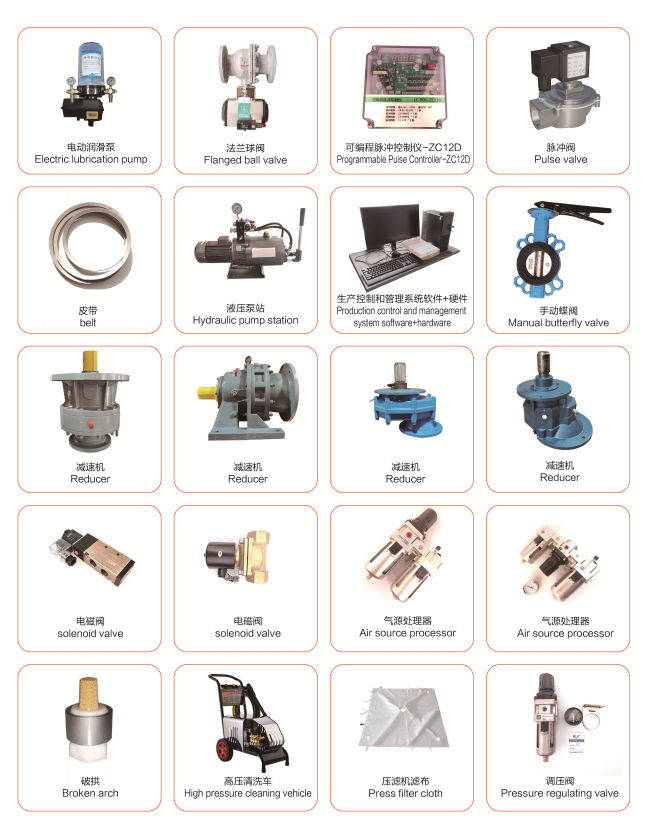
Our spare parts portfolio includes a comprehensive range of industrial components essential for concrete batching plants and material handling systems. This covers core transmission units such as reducers, couplings, and hydraulic pump stations; critical wear parts like mixing arms, liner plates, scrapers, and conveyor belts; precision control elements including pneumatic and manual butterfly valves, solenoid valves, pulse controllers, and air source processors; as well as vital sensors and seals such as load cells, shaft end seals, and dust removal bags. Additionally, we supply auxiliary equipment like electric lubrication pumps, high-pressure cleaning vehicles, and arch breakers to ensure optimal operational efficiency and maintenance support.
>> Spiral Washing Machine principles
The structure is mainly composed of sand washing tank, speed reducer, motor, main shaft, screw blade and lifter support. The structure is simple and has few parts. The rotor adopts a central structure. The screw blades are installed on the main shaft and connected to the speed reducer to work. The impeller drives the bearing device to make the bearing isolated from water and materials, which can ensure that the finished product is not polluted and effectively improve the cleaning effect. The spiral sand washer needs to be tilted. Its principle is that the sand and gravel are fed evenly from the feeding tank, and a certain amount of water is continuously injected into the main tank. The transmission part drives the screw shaft to rotate at a certain speed, forcing the materials to mix with water and constantly turning over and colliding with each other. The impurities (mud, dust, etc.) with low specific gravity are discharged from the overflow silo, while the clean sand is discharged from the discharging port.
>> Collaborative Workflow
Upon establishing a partnership with a mixing station, Jinjiahe promptly dispatches professional technicians to conduct on-site surveys and precise measurements. The survey data is seamlessly integrated into our centralized parts database, enabling accurate part matching and inventory alignment. convenience and safety.
>> Operational Advantages
Zero Inventory Pressure: By maintaining full stock coverage, Jinjiahe eliminates clients' need for bulk part stockpiling and reduces staffing burdens for parts management.
Rapid Response Protocol: In the event of equipment failure, our system enables simultaneous dispatch of pre-matched components and certified technicians, significantly minimizing downtime through efficient issue resolution.
>> Value Proposition
This optimized supply chain model ensures:
Operational Continuity: Cutting equipment downtime by up to 60% compared to industry standards
Cost Efficiency: Reducing clients' inventory holding costs by 30-45% annually
Technical Assurance: Certified engineers provide maintenance aligned with OEM specifications