
 English
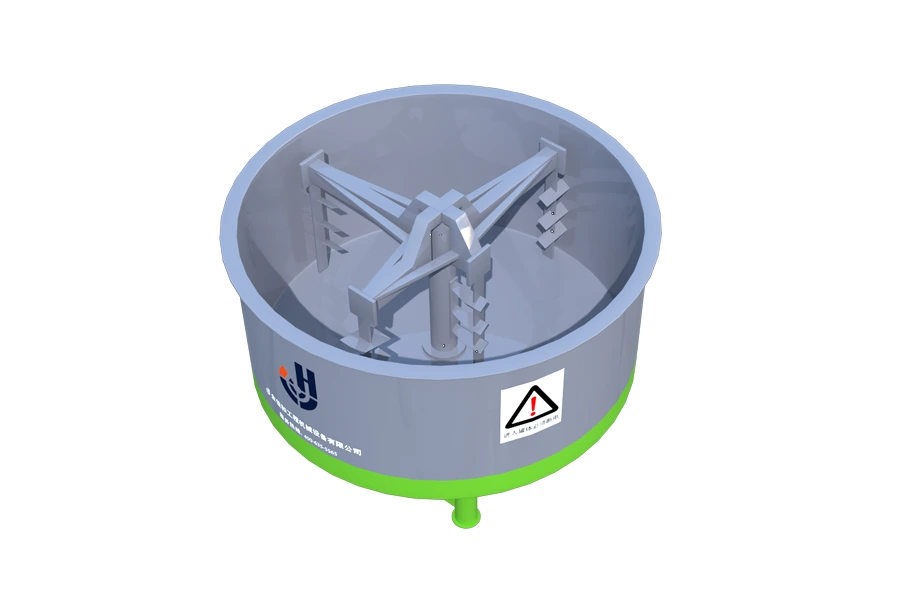
High-Efficiency Blending for Superior Quality Mortar
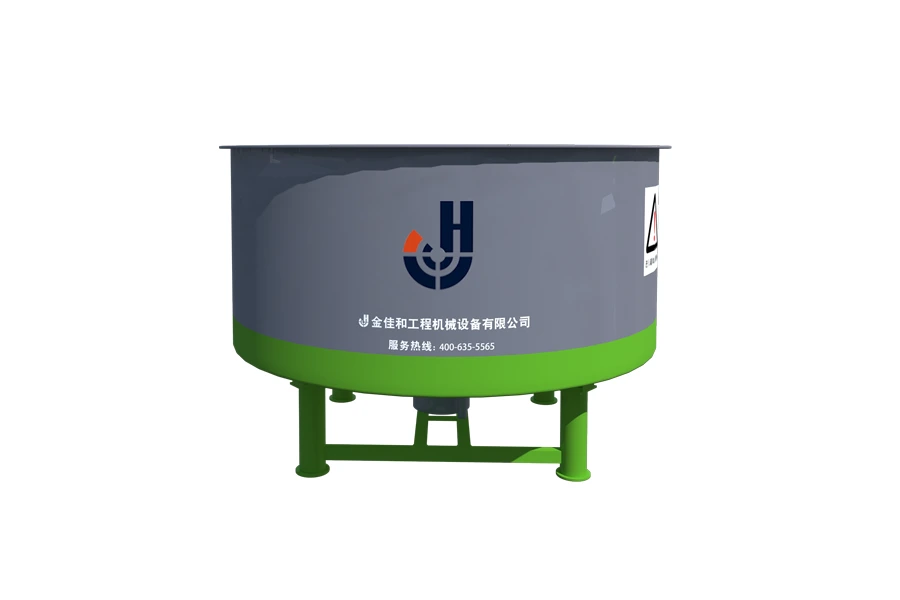
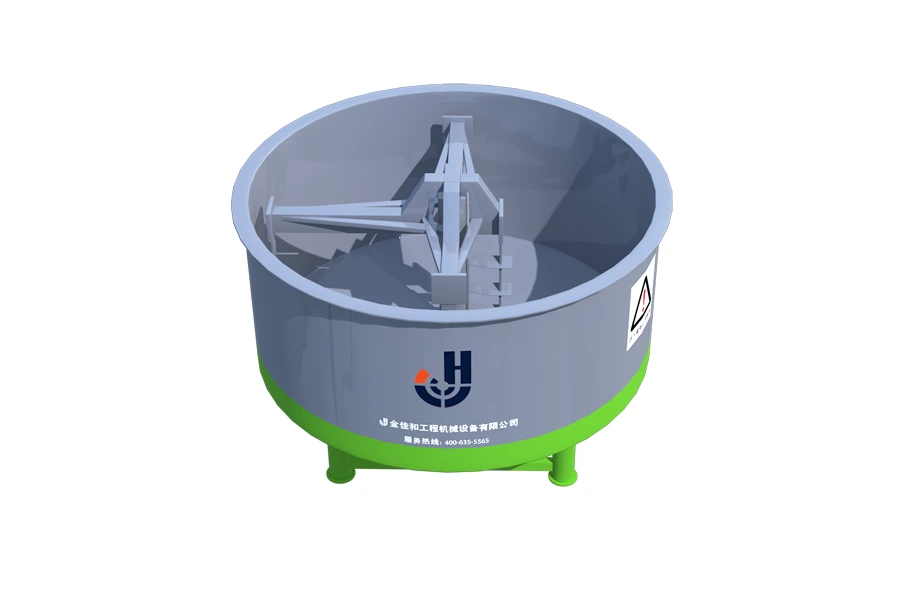
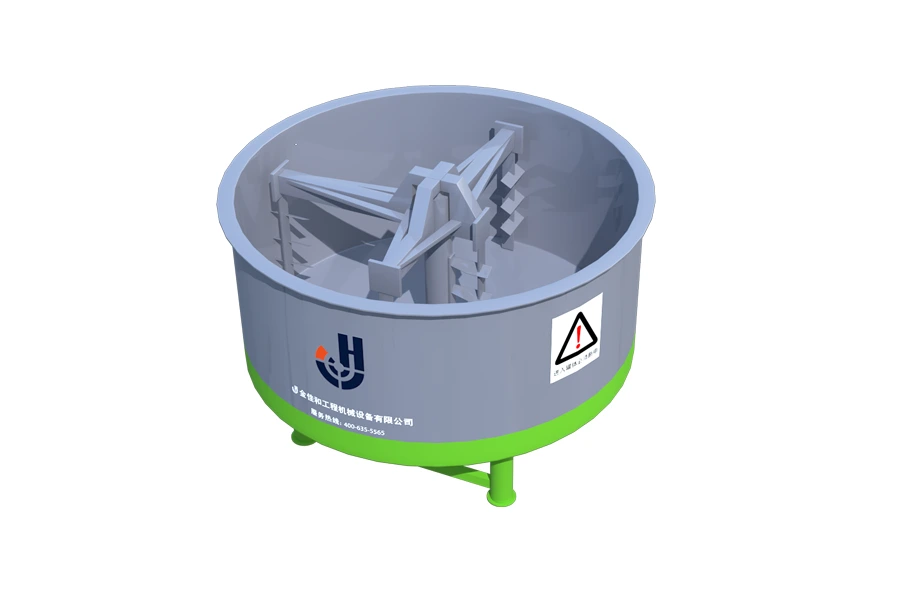
JINJIAHE Wet Mix Mortar Agitators are engineered to deliver flawless consistency and optimal performance in modern mortar production. Featuring an advanced mixing mechanism, these agitators ensure uniform blending of wet mortar materials, preventing segregation and guaranteeing the structural integrity of the final product. With a robust design that integrates storage and mixing into a single, highly efficient system, they provide a reliable solution for producing premium-quality mortar with precise proportions, saving time and ensuring flawless construction results.
Specification | 4M3 | 4M3 | 4M3 |
Theoretic Volume | 4.1M3 | 4.9M3 | 6.4M3 |
Motor Power | 4KW | 4KW/5.5KW | 4KW/5.5KW |
Tank Diameter | 2500mm | 2500mm | 3100mm |
Tank Height | 850mm | 1005mm | 850mm |
Support Structure Height | 768mm | 692mm | 768mm |
Overall Height (without lid) | 1886mm | 1940mm | 1886mm |
Overall Height (with lid) | 1940mm | 1995mm | 1940mm |
| Discharge Height | 1618mm | 1697mm | 1618mm |
>> Key Components & Working Principle
Equipped with a high-torque, high-speed agitator to maintain consistent mortar homogeneity.
Designed to handle viscous mixtures while preventing segregation of aggregates, binders, and additives.
Storage Silo: A vertically oriented, cylindrical container with capacities ranging from 5 to 6 cubic meters, constructed from abrasion-resistant steel materials.
>> Core Advantages
Consistency: Integrates storage and mixing functions, eliminating errors during manual mixing and ensuring the quality of the mortar.
Modular assembly structure: Facilitating assembly, disassembly and movement.
Efficiency: Reduces labor costs, enhances loading and transportation speeds, and can provide 24/7 immediate mortar supply for small and medium-sized projects.
Material preservation: By controlling hydration and anti-settlement techniques, the usability of the mortar can be extended to 48 to 72 hours.
Space optimization: Vertical design minimizes the floor area, making it highly suitable for urban construction sites.
Environmentally Friendly: Equipped with a lid to ensure a sealed design.
>> Industrial Applications
High-rise construction: For plastering, screeding, and masonry work.
Prefabricated building systems: Ensuring continuous supply to automated production lines.
Tunnel engineering: Supporting shotcrete applications in demanding environments.
Renovation projects: Facilitating precise material delivery for restoration work.